The definition of a “dream home” has completely changed.
In a city like Ludhiana, where real estate is evolving rapidly, buyers are no longer satisfied with just four walls and a good location. They want homes that match their lifestyle, ambitions, and future needs.
In my experience, one thing is clear—today’s homebuyer is smarter, more demanding, and far more lifestyle-focused than ever before.
Let’s break down what modern living really means in 2026.
1. Lifestyle Over Just Location
Traditionally, location was everything.
But now? It’s still important—but not enough.
Homebuyers are prioritizing:
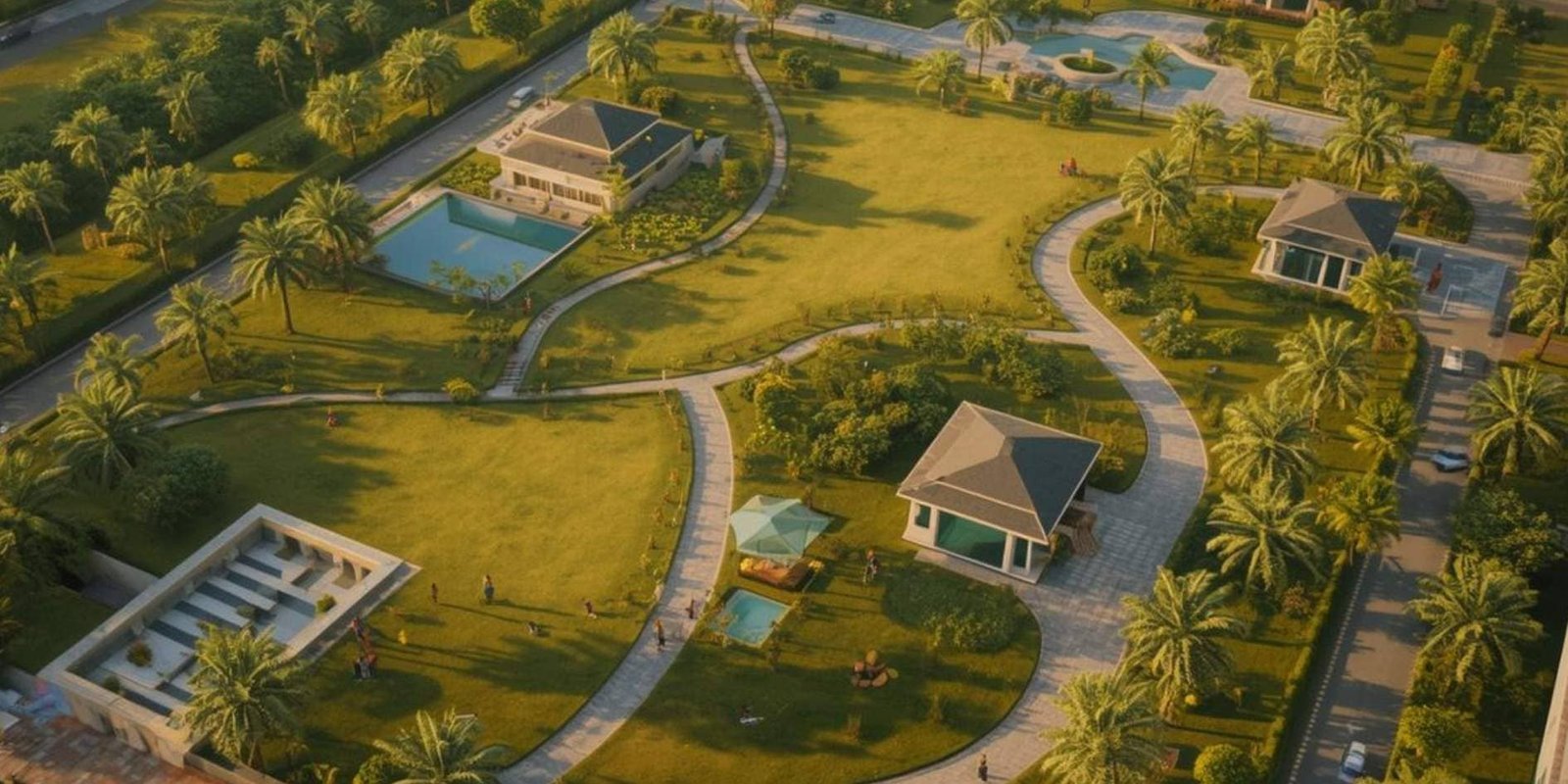
- Gated communities
- Clubhouses & amenities
- Social spaces and security
This shift toward “lifestyle-first homes” is happening across India, where buyers want integrated living experiences rather than just a standalone house.
My take:
A slightly less prime location with better lifestyle features often wins today.
2. Demand for Smart & Tech-Enabled Homes
Technology is becoming a standard—not a luxury.
Modern buyers expect:
- Smart lighting and automation
- App-based security systems
- High-speed internet and work-from-home setups
In fact, smart home ecosystems that manage lighting, climate, and security seamlessly are now a key expectation among buyers.
Reality check:
If a project doesn’t offer tech features in 2026, it already feels outdated.
3. Wellness Is the New Luxury
This is one of the biggest shifts—and many people still underestimate it.
Buyers now actively look for:
- Green spaces and parks
- Walking/jogging tracks
- Yoga decks and meditation zones
- Better air, light, and ventilation
Wellness is no longer an add-on—it’s a core requirement in modern housing design.
In simple terms:
People don’t just want a home—they want a healthier lifestyle.
4. Rise of Gated Communities & Townships
Independent houses are slowly giving way to organized living spaces.
Why?
Because buyers want:
- Security
- Community living
- Convenience (everything inside one campus)
Integrated townships with co-working spaces, retail areas, and recreation zones are becoming highly popular.
5. Sustainability Is No Longer Optional
Eco-friendly homes are gaining serious attention.
Buyers now prefer:
- Solar panels
- Rainwater harvesting
- Energy-efficient buildings
- Waste management systems
Sustainability is becoming a key decision factor, especially among younger buyers and NRIs.
My opinion:
Green homes today = higher resale value tomorrow.
6. Work-from-Home Friendly Spaces
The way people work has changed—and so have homes.
Modern buyers want:
- Dedicated workspaces
- Quiet zones
- Reliable power backup
- Co-working lounges within societies
Homes are now designed to support work + life in one place.
7. Focus on Quality Over Size
Earlier, bigger homes meant better homes.
Not anymore.
Buyers now prefer:
- Smart layouts
- Better storage
- Natural lighting
- Functional design
Well-planned smaller homes often beat larger but poorly designed spaces.
8. Transparency & Trust Matter More Than Ever
Today’s buyers are extremely informed.
They check:
- RERA approvals
- Builder reputation
- Online reviews
- Delivery timelines
A large portion of buyers (especially aged 28–45) prioritize transparency and verified credentials before investing.
Final Thoughts
Modern living in Ludhiana is no longer about just owning property—it’s about how that property improves your life.
- Lifestyle is replacing basic housing
- Wellness is replacing luxury
- Smart features are replacing traditional setups
In my opinion, the biggest shift is this:
People are no longer buying homes just for today—they’re buying for the next 10–20 years.
And that’s exactly why developers who understand these changing expectations are winning the market.