🏙️ Introduction
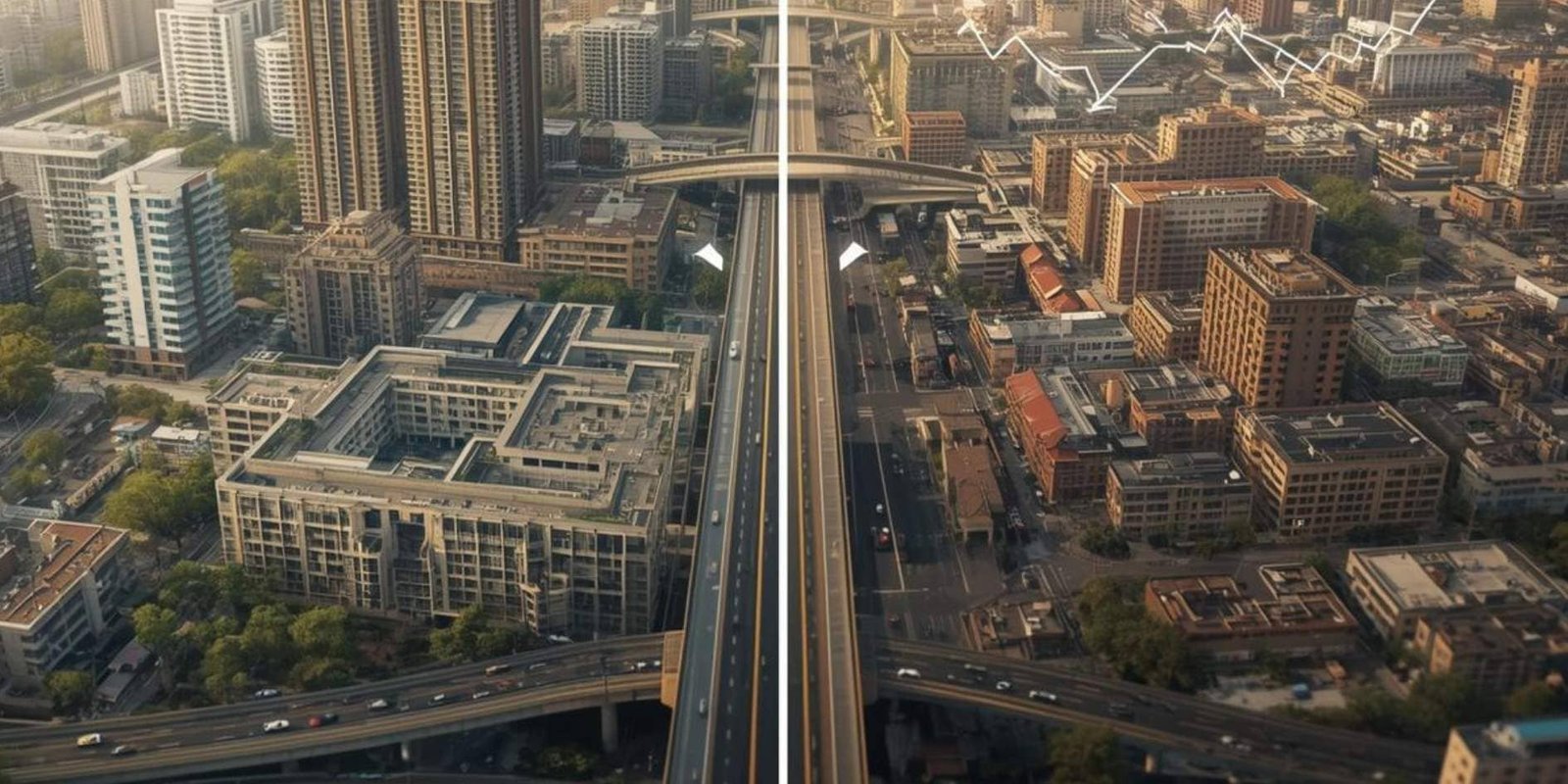
In every city, some areas grow rapidly while others stay slow or stagnant. Ludhiana is no different. If you observe closely, certain localities see rising property prices, better infrastructure, and higher demand—while others move at a much slower pace.
This difference is not random. It is driven by clear economic, social, and infrastructural factors.
🚧 1. Infrastructure Development
The biggest reason behind fast growth is infrastructure.
Areas grow faster when they get:
- New roads and highways
- Flyovers and better connectivity
- Metro or transport planning (future potential)
- Water, electricity, and sewage upgrades
Once infrastructure improves, property demand automatically increases.
📍 2. Connectivity to Key Hubs
In Ludhiana, connectivity plays a major role in real estate growth.
Areas closer to:
- Industrial zones
- City center
- Schools, hospitals, and markets
tend to grow faster because people prefer convenience.
Even a 10–15 minute difference in travel time can impact property prices significantly.
🏢 3. Presence of Commercial Activity
One thing people often overlook is how commercial growth drives residential demand.
When an area has:
- Shops
- Offices
- Markets
- Small industries
it naturally attracts working professionals and families. This increases both rental demand and property appreciation.
🏗️ 4. New Real Estate Projects
Developers also play a big role in shaping growth.
Areas with:
- New gated societies
- Modern apartments
- Luxury or mid-range projects
see faster development because they attract buyers looking for modern living standards.
Once a few good projects come in, the entire locality improves.
📈 5. Investor Attention & Speculation
Real estate growth is also influenced by market sentiment.
When investors start buying in a specific area:
- Prices rise quickly
- More builders enter the zone
- Demand increases further
This creates a cycle of rapid appreciation.
🧑🤝🧑 6. Population Migration
People moving from nearby villages or smaller towns into Ludhiana also affect growth.
Areas grow faster when they offer:
- Affordable housing
- Good rental options
- Easy access to jobs
This migration increases demand for both buying and renting.
🏫 7. Social Infrastructure
Schools, colleges, hospitals, and lifestyle facilities also drive growth.
Families prefer areas where:
- Good education is nearby
- Healthcare is easily accessible
- Daily needs are within reach
The better the social infrastructure, the faster the growth.
⚖️ 8. Planned vs Unplanned Development
Planned areas grow more steadily and sustainably, while unplanned areas may grow slowly or unevenly.
Planned developments usually have:
- Proper road layouts
- Zoning rules
- Organized residential sectors
This attracts serious buyers and long-term investors.
🧠 Final Thoughts
The difference in growth across Ludhiana’s areas is not accidental—it is the result of infrastructure, connectivity, demand, and planning.
If you understand these factors, you can easily identify which areas have future potential and which may remain slow.
In real estate, timing and location together decide everything.